
Mapleton Vineyard Vine to Bottle Process Tasmania
A complete look at how a Tasmanian vineyard turns fruit into premium wine
The Mapleton Vineyard vine to bottle process is a detailed, hands on journey shaped by the unique landscapes of Tea Tree in the Coal River Valley. The vineyard produces small batch Tasmanian wines that reflect local soils, cool climate conditions and a genuine commitment to craft. Each stage, from pruning to packaging, plays a role in shaping the clarity, balance and distinct personality found in every bottle. Understanding this journey adds richness to the tasting experience and helps explain why Mapleton Vineyard is becoming a respected name in boutique Tasmanian wine.
The Vineyard and Its Environment
Mapleton Vineyard is made up of three connected properties: Mapleton, Woodlands and Lynwood. Together they form a varied landscape of rolling slopes and soil types, which is ideal for growing cool climate varieties. The Coal River Valley is known for its dolomitic soils, an uncommon composition that adds minerality and structure to the fruit. These soils drain well, allowing the vines to push their roots deeper in search of moisture and nutrients. This natural stress often results in fruit with greater concentration and complexity. Sun exposure in Tea Tree is another advantage. North facing slopes capture consistent light, while cool evenings slow the ripening cycle. This balance supports acidity, aromatics and finesse, which are essential characteristics of Tasmanian wines. The Mapleton Vineyard vine to bottle process depends heavily on these conditions. Every year, the weather and soil inform decisions about canopy management, irrigation, harvest timing and fermentation. The vineyard’s location is not just a backdrop for the wine, but the foundation of its character.
Caring for the Vines
The vines are nurtured through each season using sustainable and minimal intervention practices. The Laing family keeps a close eye on soil health, pruning systems and canopy development to ensure the vines grow in balance. Older blocks planted in the early 1990s offer deep roots and steady yields, producing fruit with maturity and layered flavour. Younger plantings bring vibrancy and aromatic lift. The team focuses on maintaining airflow through the canopy to minimise disease pressure and encourage even ripening. Hand work plays a central role, especially during shoot thinning, fruit positioning and leaf plucking. This approach is central to the Mapleton Vineyard vine to bottle process. Good wine begins with healthy vines, so the family invests as much effort in vineyard care as they do in winemaking.
Harvest and Fruit Selection
Harvest timing is determined by flavour, acidity, seed ripeness and tannin development. Because the Coal River Valley ripens gradually, Mapleton Vineyard has the advantage of choosing the perfect moment to pick. Hand harvesting protects the berries and ensures only the best fruit is delivered to the winery. This method supports precision, as each block can be harvested in stages to capture its best expression. The Mapleton Vineyard vine to bottle process relies on this careful selection. The quality of the final wine is directly linked to the quality of the fruit at the moment it leaves the vine.
Winemaking Techniques
Once picked, grapes move into the winery where minimal intervention guides the approach. Wild fermentations are often encouraged so that natural yeasts can influence the final flavour profile. Pinot Noir batches may include whole bunch components to build structure and aromatic lift. Chardonnay and Riesling benefit from gentle pressing and low intervention handling to preserve purity. The winery uses a mix of stainless steel, older barrels, new French oak puncheons and concrete eggs. Stainless steel keeps wines crisp and clean. Older barrels add texture without dominant oak flavours. New puncheons give subtle complexity. Concrete eggs maintain movement that encourages fine lees contact. These techniques support clarity and balance, which are essential to Mapleton Vineyard’s style. The aim is to express the vineyard, not overpower it with heavy winemaking.
Ageing and Bottling
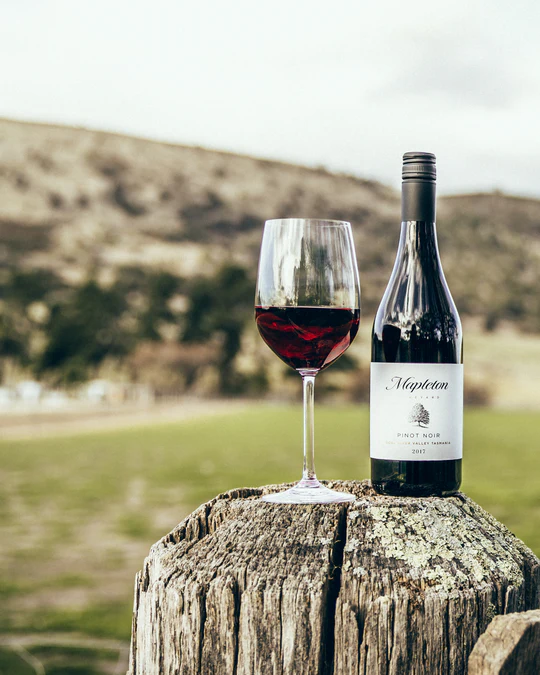
Ageing allows flavours to integrate and deepen. The selected vessels help shape the final texture and mouthfeel. Concrete eggs create roundness. Stainless steel protects freshness. Older barrels add gentle warmth. When the wine reaches the desired profile, bottling takes place in small batches. This helps maintain precision and consistency. The Mapleton Vineyard vine to bottle process includes careful bottling with minimal added sulphur. Wines are filtered but not fined, making them vegan friendly while preserving subtle natural characteristics.
Why This Process Matters
The Mapleton Vineyard vine to bottle process is a reflection of place, philosophy and family. The vineyard’s cool climate, dolomitic soils and sustainable practices create wines with a strong sense of identity. Minimal intervention in the winery ensures that each release reflects the vintage’s conditions rather than a formula. This transparency is part of what makes boutique Tasmanian wines so sought after. The result is Pinot Noir with refinement and length, Chardonnay with elegance and texture, and Riesling with purity and drive.
Visit Mapleton Vineyard
Located at 890 Middle Tea Tree Road, Mapleton Vineyard is only a short drive from Hobart. The cellar door provides an opportunity to understand the vine to bottle journey while tasting wines made onsite. Visitors can see the landscape that shapes the fruit and gain insight into the techniques used in the winery.
Final Thoughts
The Mapleton Vineyard vine to bottle process is built on respect for the land, attention to detail and the belief that great wine begins in the vineyard. By combining sustainable farming, thoughtful craftsmanship and the unique conditions of the Coal River Valley, Mapleton Vineyard continues to produce wines with clarity, balance and a true sense of place. For anyone exploring Tasmanian wine, Mapleton Vineyard offers an authentic look at how careful hands and cool climate conditions transform fruit into something memorable.